
Manasseh, Ephraim, and Peleg: Names That Explain Themselves
Manasseh means “making to forget,” Ephraim “fruitful,” Peleg “division.” Genesis 41:51–52 and 10:25 translate each name in the same verse that gives it. Names Milk.
Manasseh means “making to forget,” Ephraim “fruitful,” Peleg “division.” Genesis 41:51–52 and 10:25 translate each name in the same verse that gives it. Names Milk.
Ishmael means God hears / has listened (Gen 16:11). The angel names Hagar’s son and says why in the same breath. Names Milk.
Cephas means rock (John 1:42). Jesus renames Simon; John translates on the spot — rock spoken before the strength shows. Names Milk.
Joseph means he adds / increases (Genesis 30:24). Rachel names her son and prays, “May the Lord add…” — a gift that is not a finished story. Names Milk.
Noah means relief / rest (Genesis 5:29). Lamech names his son and says why — hope spoken in a world that already knows toil. Names Milk.
Ichabod means the glory has departed (1 Samuel 4:21). A dying mother will not lie about an empty room — and glory’s last word is not that day. Names Milk.
Ebenezer means stone of help (1 Samuel 7:12). Samuel raises a memorial: “Till now the LORD has helped us” — not “we finally arrived.” Names Milk.

Bible names often mean what they say. Opaque English can hide the meal. Zoe, Shem, Jesus, Immanuel — let the names speak.
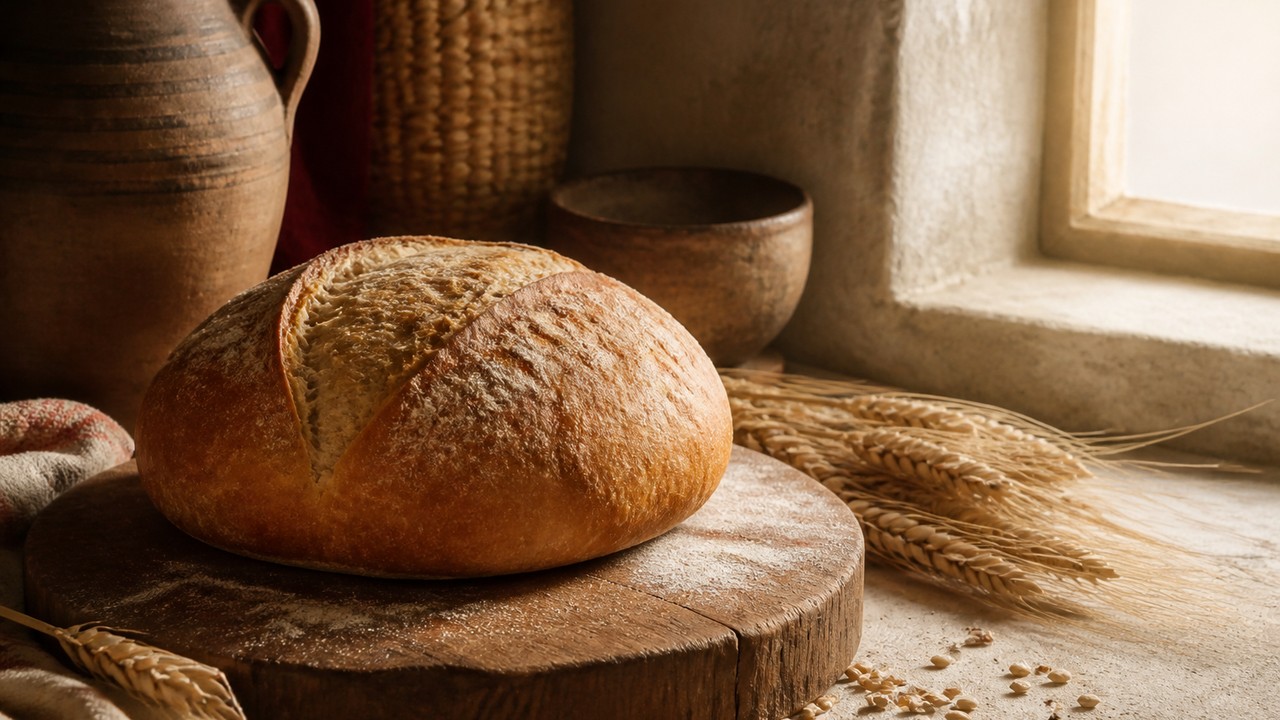
Bethlehem is not a random map pin. The name means house of bread — and the Bread of Life was born there. Milk on Bible names that mean what they say.

Some belief is built to end. The empty tomb wasn’t. Milk on thin cozy faith versus load-bearing trust in the risen Christ.