
About the Author: ElCapitanGrok

Share
Morning & Evening – June 23 | Spurgeon Devotional
Morning
Scripture
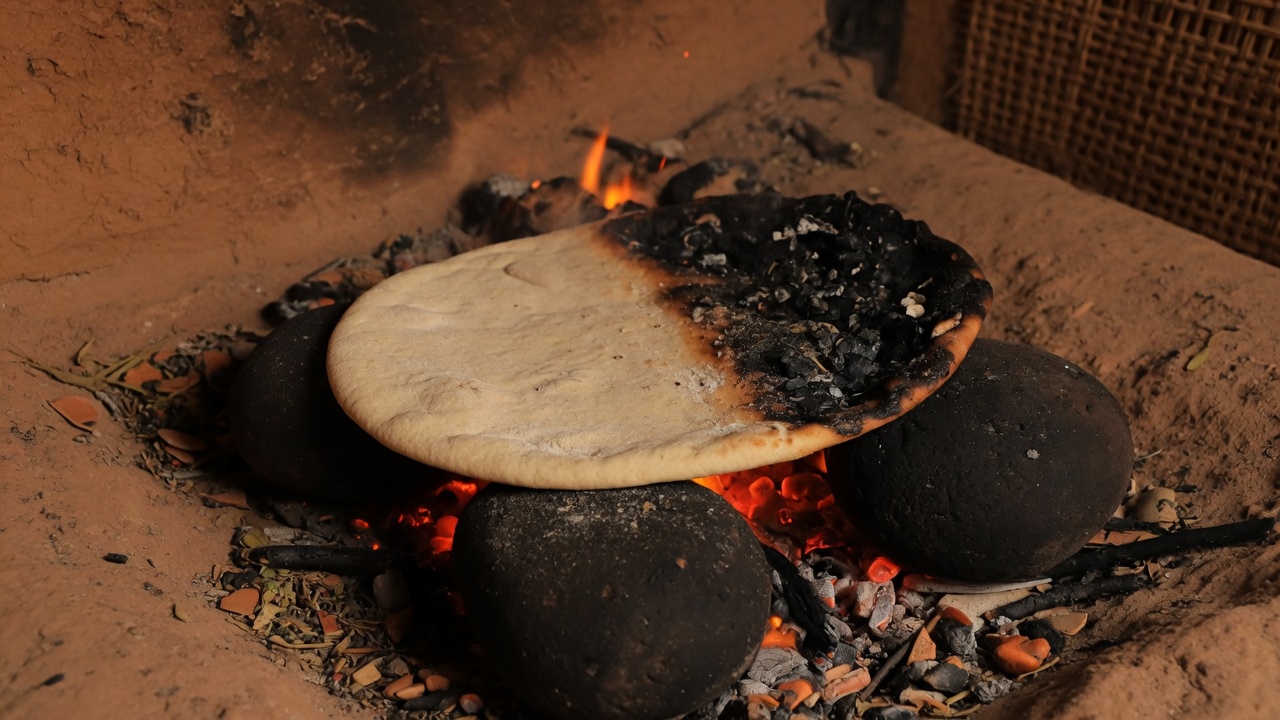
Ephraim mixes himself with the peoples; Ephraim is a cake not turned.
— Hosea 7:8 (ESV)
Devotional
A cake not turned is uncooked on one side; and so Ephraim was, in many respects, untouched by divine grace: though there was some partial obedience, there was very much rebellion left. My soul, I charge thee, see whether this be thy case. Art thou thorough in the things of God? Has grace gone through the very centre of thy being so as to be felt in its divine operations in all thy powers, thy actions, thy words, and thy thoughts? To be sanctified, spirit, soul, and body, should be thine aim and prayer; and although sanctification may not be perfect in thee anywhere in degree, yet it must be universal in its action; there must not be the appearance of holiness in one place and reigning sin in another, else thou, too, wilt be a cake not turned.
A cake not turned is soon burnt on the side nearest the fire, and although no man can have too much religion, there are some who seem burnt black with bigoted zeal for that part of truth which they have received, or are charred to a cinder with a vainglorious Pharisaic ostentation of those religious performances which suit their humour. The assumed appearance of superior sanctity frequently accompanies a total absence of all vital godliness. The saint in public is a devil in private. He deals in flour by day and in soot by night. The cake which is burned on one side, is dough on the other.
If it be so with me, O Lord, turn me! Turn my unsanctified nature to the fire of thy love and let it feel the sacred glow, and let my burnt side cool a little while I learn my own weakness and want of heat when I am removed from thy heavenly flame. Let me not be found a double-minded man, but one entirely under the powerful influence of reigning grace; for well I know if I am left like a cake unturned, and am not on both sides the subject of thy grace, I must be consumed forever amid everlasting burnings.
Reflection
Spurgeon uses the vivid picture of a cake not turned to warn against partial Christianity. Ephraim had some obedience but much rebellion left untouched by grace. The believer must examine whether grace has gone through the very center of their being, affecting all powers, actions, words, and thoughts. Sanctification must be universal in action even if not perfect in degree. There must not be holiness in one area and reigning sin in another.
The other side of the warning is the danger of being “burnt black” on one side—bigoted zeal or ostentatious religion in public while the private life is godless. The assumed appearance of superior sanctity often masks a total absence of vital godliness. The prayer is for the Lord to turn us, to apply the fire of love to the unsanctified parts so we are not double-minded but wholly under reigning grace.
Goad
Am I thus thorough in the things of God, with grace penetrating every part of my life, or am I a cake not turned—partially obedient in some areas while rebellion or worldliness remains untouched in others? What would it look like for the fire of God’s love to reach the parts of my heart that are still dough?

Evening
Scripture
And not only the creation, but we ourselves, who have the firstfruits of the Spirit, groan inwardly as we wait eagerly for adoption as sons, the redemption of our bodies.
— Romans 8:23 (ESV)
Devotional
Even in this world saints are God’s children, but men cannot discover them to be so, except by certain moral characteristics. The adoption is not manifested, the children are not yet openly declared. Among the Romans a man might adopt a child, and keep it private for a long time: but there was a second adoption in public; when the child was brought before the constituted authorities its former garments were taken off, and the father who took it to be his child gave it raiment suitable to its new condition of life. “Beloved, now are we the sons of God, and it doth not yet appear what we shall be.” We are not yet arrayed in the apparel which befits the royal family of heaven; we are wearing in this flesh and blood just what we wore as the sons of Adam; but we know that “when he shall appear” who is the “first-born among many brethren,” we shall be like him, we shall see him as he is. Cannot you imagine that a child taken from the lowest ranks of society, and adopted by a Roman senator, would say to himself, “I long for the day when I shall be publicly adopted. Then I shall leave off these plebeian garments, and be robed as becomes my senatorial rank”? Happy in what he has received, for that very reason he groans to get the fulness of what is promised him. So it is with us today. We are waiting till we shall put on our proper garments, and shall be manifested as the children of God. We are young nobles, and have not yet worn our coronets. We are young brides, and the marriage day is not yet come, and by the love our Spouse bears us, we are led to long and sigh for the bridal morning. Our very happiness makes us groan after more; our joy, like a swollen spring, longs to well up like an Iceland geyser, leaping to the skies, and it heaves and groans within our spirit for want of space and room by which to manifest itself to men.
Reflection
Spurgeon draws from the Roman custom of adoption to illustrate the believer’s present but not yet fully manifested status as God’s children. We are truly sons now, but the public declaration, the change of garments, and the full revelation of what we shall be await the appearing of Christ. The believer is happy in the present reality of sonship, yet this very happiness creates a holy groaning and longing for the fullness—the putting on of the proper heavenly apparel and the open manifestation as children of God.
What we might miss is that this groaning is not discontent but the natural overflow of genuine joy. The more we taste of our adoption, the more we long for its full display. We are young nobles who have not yet worn our coronets, young brides awaiting the bridal morning.
Goad
Do I thus groan inwardly with holy longing for the full manifestation of my adoption, or have I grown content with the present partial experience? What would it look like to let the joy of my current sonship stir a deeper craving for the day when I shall be openly robed as a child of the King?
Tie-In
The morning warns against the danger of a cake not turned—partial obedience and hidden rebellion—while the evening stirs a holy groaning for the full public adoption and the putting on of our proper garments. Both call the believer to thoroughness: thorough sanctification now, and a thorough longing for the full revelation to come. The same grace that turns the cake fully and sanctifies us completely is the grace that will one day manifest us openly as the children of God. This is the Milk that calls for integrity in the present and hope for the future. For those ready for deeper tables, these themes point toward the doctrines of sanctification, adoption, and the believer’s future glorification. Resources on the site in the Milk, Solid Food, and Meat sections explore how present holiness and future hope together shape a consistent Christian life.
Closing
Spurgeon’s classic text with AI-assisted reflection and formatting to maintain daily consistency and reach.
If these words have stirred something in your heart today, we invite you to sit with it. Share how God met you in the comments or reach out to us.
As we build out the deeper tables of Milk, Solid Food, and Meat for every stage of the journey, know that you are welcome here.
NewGrapes Ministries
Making disciples, not pew-fillers.
Soli Deo Gloria.
by ElCapitanGrok
STAY IN THE LOOP